
CRAFTING A MODERN CLASSIC
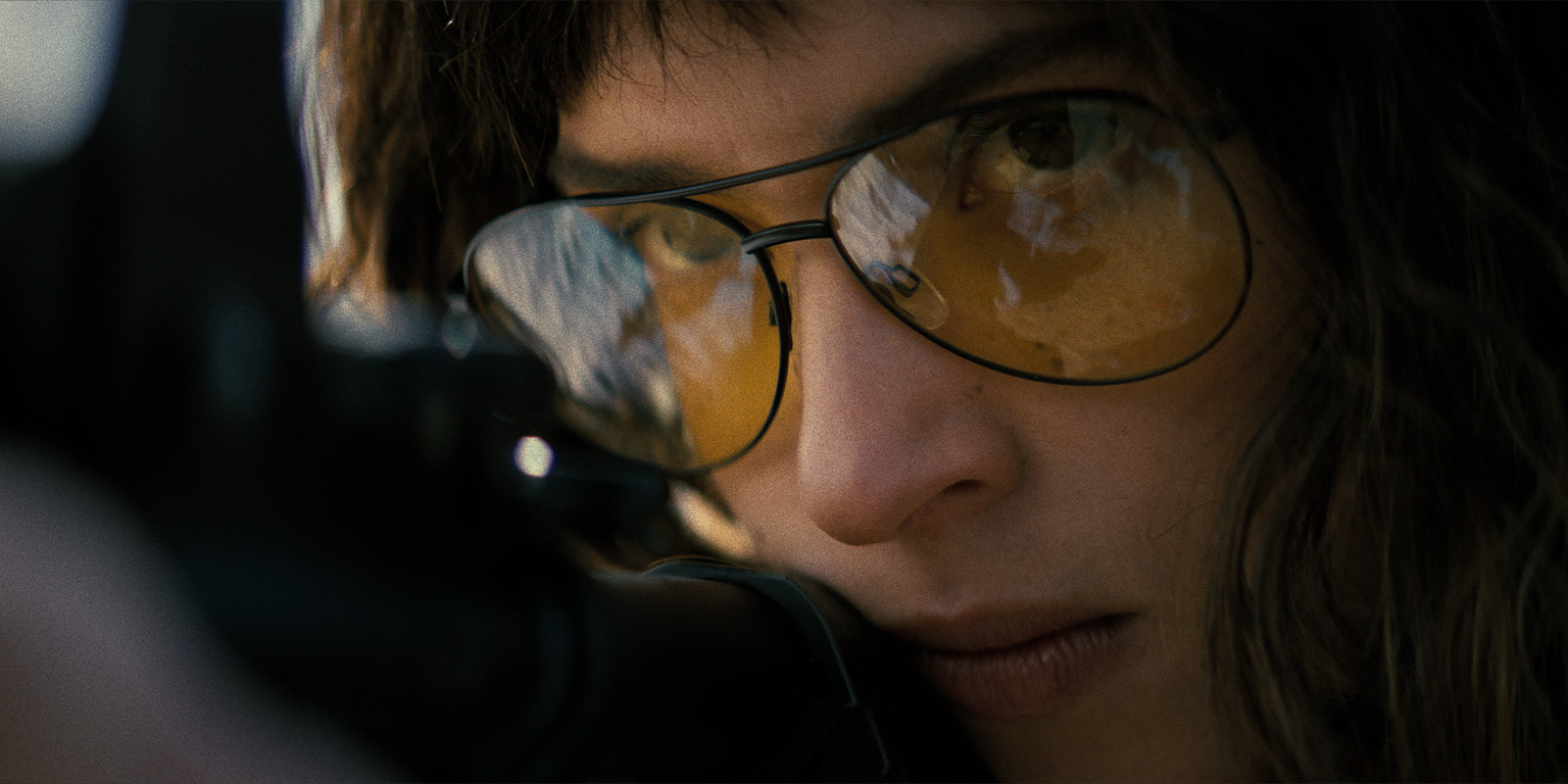
In shooting A24 action thriller Onslaught, Oren Soffer blended classic influences with a contemporary feel.
What struck me immediately about this project was the clarity of director Adam Wingard’s vision. His influences included John Carpenter’s work, The Terminator and other 1980s genre classics. We discussed what those references really meant. Beyond nostalgia, we wanted to understand the visual language that made those films memorable and how those qualities could serve our story. From that first meeting, it felt like we were off to the races.
Adam arrived with several touchstone images in mind, including the reveal of the three super soldiers standing together in the training arena and those same figures emerging from the fog, their glowing eyes piercing the darkness – a direct nod to Carpenter’s The Fog.
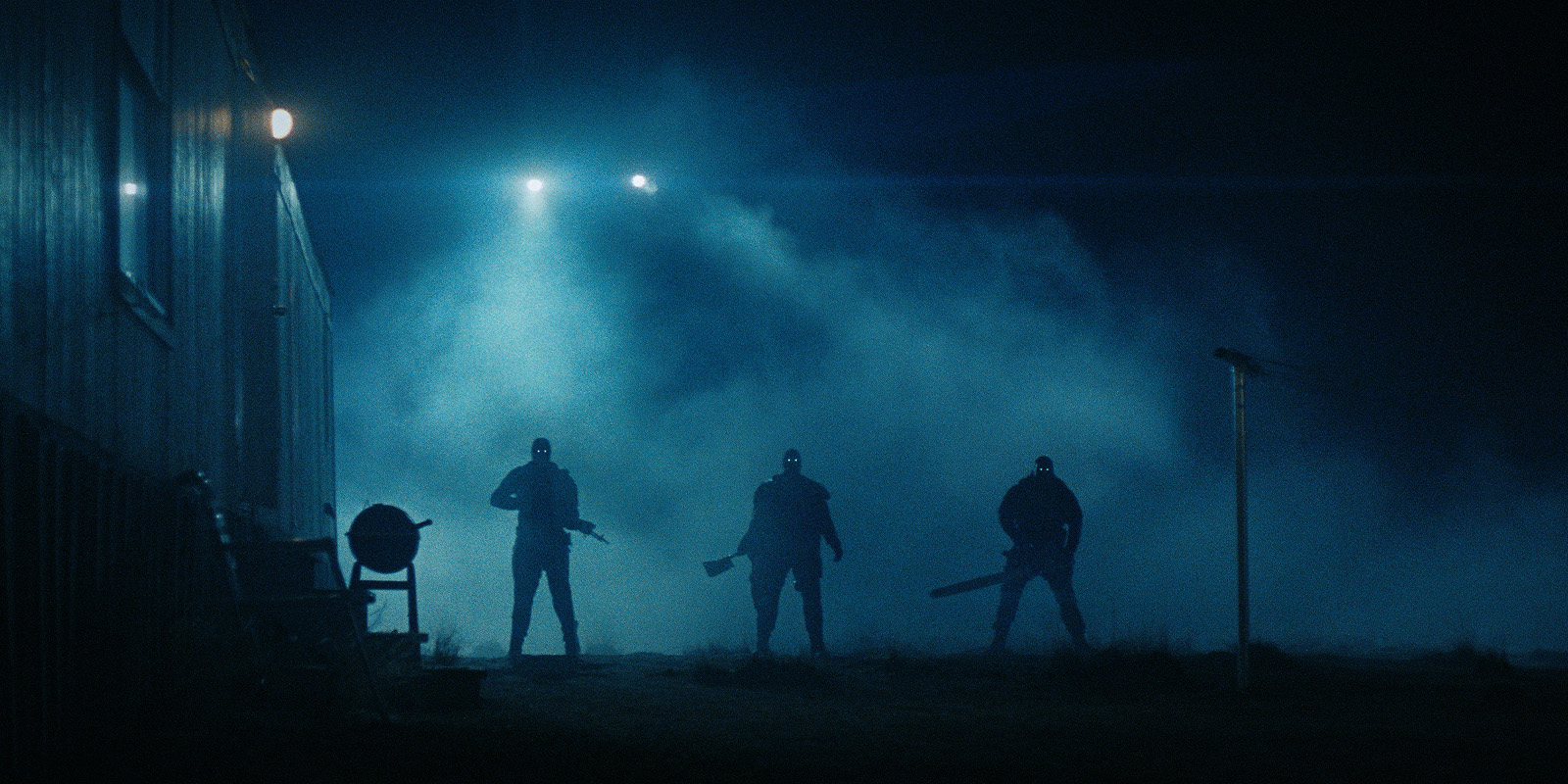
I revisited nearly every Carpenter film and many other movies from the era, studying their lighting, lens choices and camera movement. I broke down their visual DNA to identify the period’s characteristics and considered which elements to carry forward into our own film.
More than an homage
Avoiding pastiche was extremely important to us. We never wanted the film to feel like a parody or imitation of an ’80s movie. The visual language needed to remain authentic and serve the story. The references were inspiration, not gimmicks.
Although the film draws heavily from the 1980s and early ’90s, the story takes place in contemporary times, so we wanted the visual language to contain some modernity. A hybrid approach emerged: an homage to the filmmaking techniques of a previous era blended with contemporary storytelling instincts.
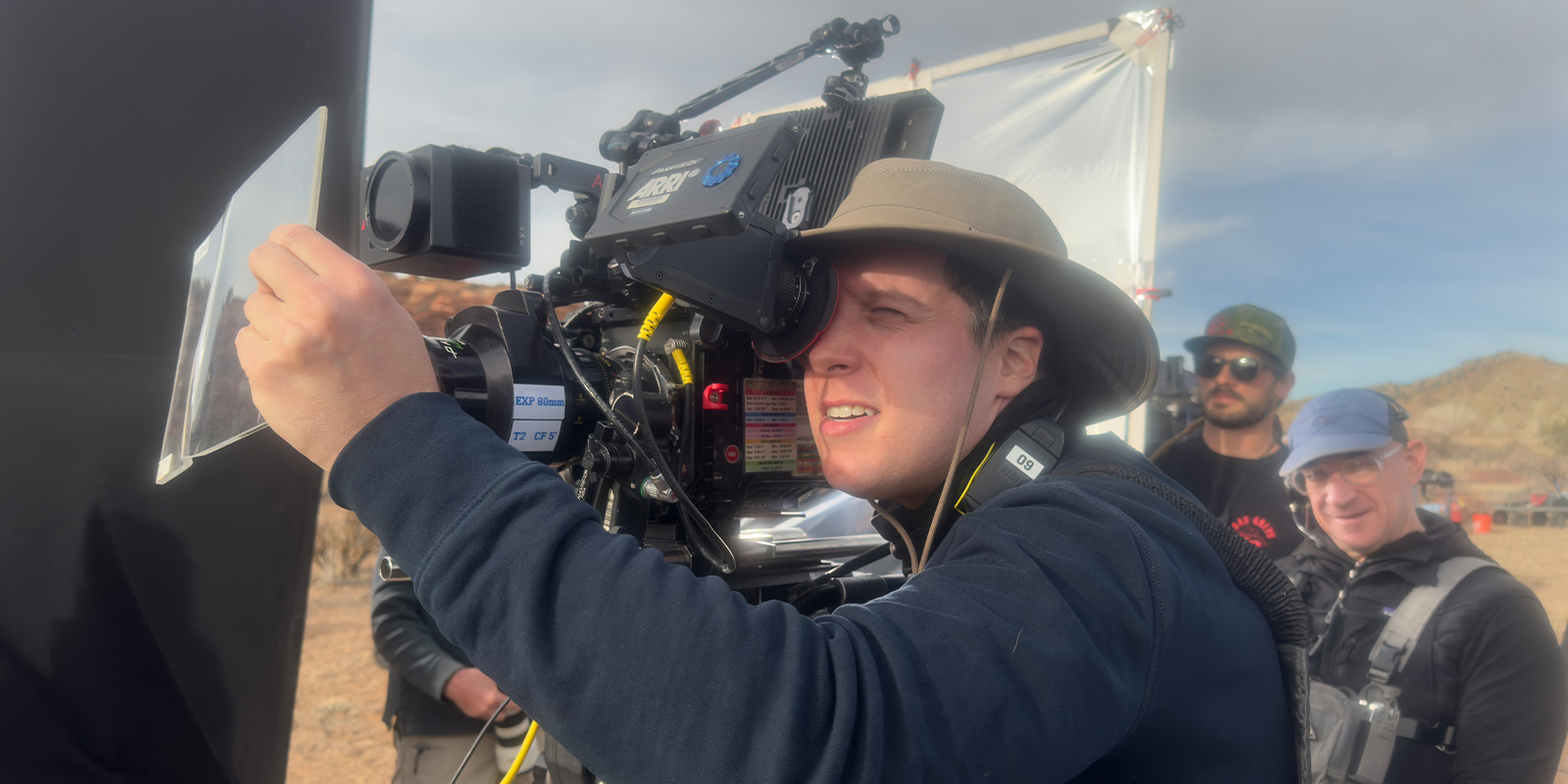
That blend was inevitable because we were not actually making a film in the 1980s. We were using modern tools that fundamentally change what is possible. We shot on the ARRI Alexa 35 and relied heavily on LED lighting, with some material captured on the Phantom Flex4K and Sony FX3. These choices opened creative opportunities that cinematographers of the era we were referencing could only dream about.
Finding ‘moonlight without a moon’
The biggest visual challenge emerged from a simple creative directive: Adam told me early on he did not want moonlight to define the nighttime look. That presented a problem, as nearly half the film takes place at night. The story unfolds over 24 hours, with much of the second half set outdoors in a trailer park where extensive action sequences occur after dark.
The trailer park was built specifically for the production in a valley outside Albuquerque, New Mexico. By day, it offered vast sightlines stretching miles into the distance. At night, those same sightlines became a challenge.
Another obstacle was that at a key point in the film the super soldiers cut the trailer park’s power. Initially, practical lights integrated into the trailers provided motivation. Gaffer Neil Solberg and the electrics team worked closely with production designer Tom Hammock’s department to fill the set with practical sources. But once the power went out, all of that disappeared. With no moonlight or practical lighting, where would the light come from?
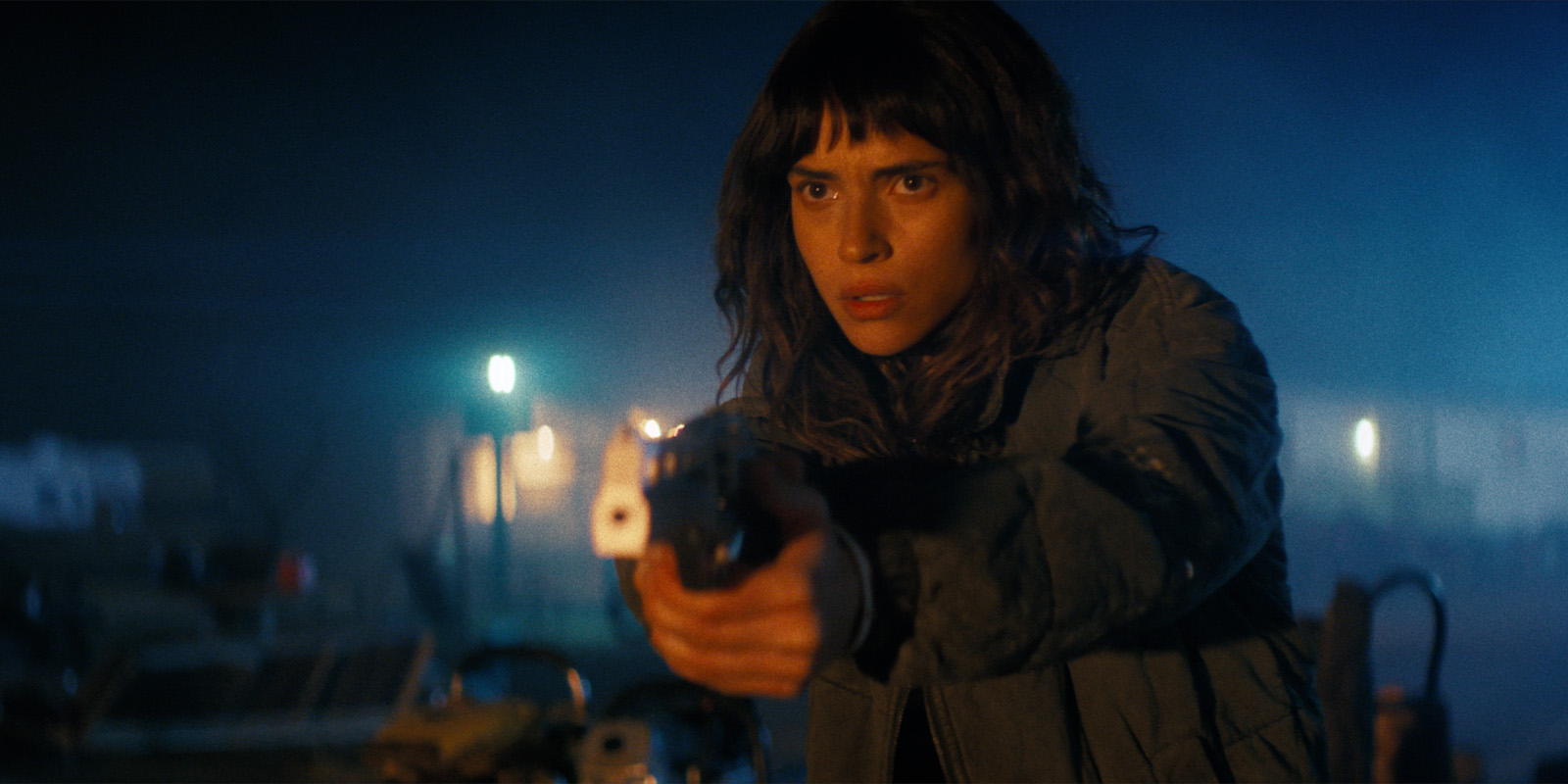
Then I had an idea: what if the trailer park was surrounded by emergency perimeter lighting that kicked in when the power went out? Key grip Rudy Covarrubias and the grip department built 14-foot-tall utility poles, with crossbars supporting Astera AX10 fixtures. We installed these around the trailer park perimeter, aiming them inward at roughly 45-degree angles, positioned to appear frequently in the background, often flaring into the lens behind trailers and structures. This became our substitute for moonlight.
We also surrounded the trailer park with four condors, each carrying three Elation Proteus Maximus RGB Movers – remotely operated theatrical moving lights. Two Pettibone lifts, each fitted with four Creamsource Vortex8s, provided mobile, directional lighting on a shot-by-shot basis. Together, these lights formed a flexible ecosystem that adapted to changing conditions and each shot’s direction.
Night vision
We paired the Alexa 35 with Panavision E-Series anamorphic lenses, a choice reinforced by testing, particularly because many of our reference films were photographed using them.
One of the Alexa 35’s greatest strengths was its elevated sensitivity. Much of the film’s night photography was captured at 6400 EI in its high ISO mode, which enabled our lighting approach. The perimeter lights were not especially powerful and, under normal circumstances, might not have provided enough output to influence such a large environment. Combined with the camera’s sensitivity, however, they became surprisingly effective, providing a foundation for supplemental lighting.
Making the grade
The final piece of the puzzle came through the grade. Our shooting LUT was developed with Mike Sowa at FotoKem, while Claire Iannelli perfected the final colour. We utilised FotoKem’s ShiftAI film-out process to capture analogue 35mm characteristics such as grain, halation, gate weave and print texture, by physically printing the colour pass to film stock (5230) and scanning it back into the DI.
One recurring obsession was what we called “Terminator Blue”. We wanted the perimeter lighting to evoke that unmistakable blue hue associated with James Cameron’s nighttime photography. We spent considerable time refining the exact shade, ensuring it carried the qualities that made those images so iconic.