
THE INVISIBLE CHOREOGRAPHER: THE REAL ART OF CAMERA MOVEMENT
Jamie Starr explains how dolly grips are masters of camera movement and emotional interpretation, sitting quietly right next to the operator to help and advise.
I’m often asked, “What is a dolly grip and what do they actually do?” It’s something I awkwardly fall over trying to answer; always along the lines of, “I physically move the camera.” To which they say, “So you’re an operator.” I reply, “Not really, but sort of.” They then proceed to look at me slightly confused and pretend they know what I’m talking about.
So, what is a dolly grip? Have you ever wondered how the camera gets from one wide shot into a close-up in one swift sweep – landing at the exact moment the actor stops? Or how, in an emotional scene, the feeling quietly intensifies as the camera edges forward, arriving at its mark just as a tear falls down a cheek?
This is what a dolly grip is; we move to the rhythm of the sub-context. We are the unseen dance partner in every scene. A slow, creeping push-in is not just a change in focal distance; it becomes the physical manifestation of a realisation, a dawning horror, or an intimate confession. Maybe it’s a sudden, sweeping pull-out creating a sense of isolation. The grip dictates the tempo of the audience’s heartbeat without ever stepping in front of the lens.
Collaboration
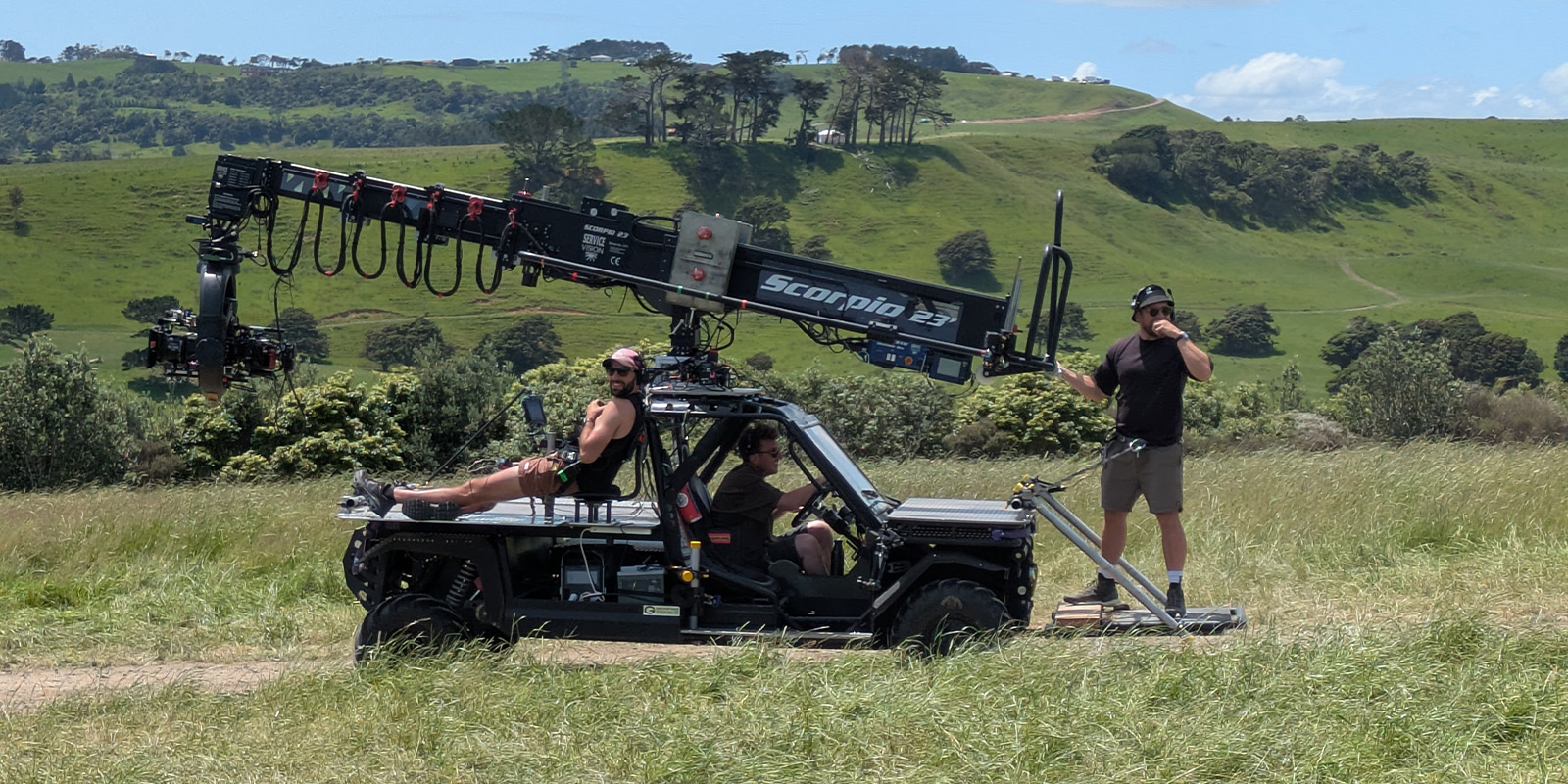
The dolly grip is the bridge between the operator and the equipment required to bring the director and cinematographer’s vision to life. The tools we choose are entirely driven by the story. Whether it’s a crane for a sweeping, multi-point move on a massive exterior set or a tight track in an intimate, cramped interior office, the right equipment is dialled in through close collaboration.
Once the scene is blocked with the actors, the operator, the dolly grip and the cinematographer map out where the camera needs to be and the kind of shot we are chasing. We look at the bigger picture: Will the director play this as a continuous, unbroken long take, or will it be chopped up into fast, dynamic cuts? All that context helps us to figure out the most efficient and effective way to execute the scene. The operator leads the discussion, but a good dolly grip stands right beside them like a trusted second-in-command, ready to offer solutions.
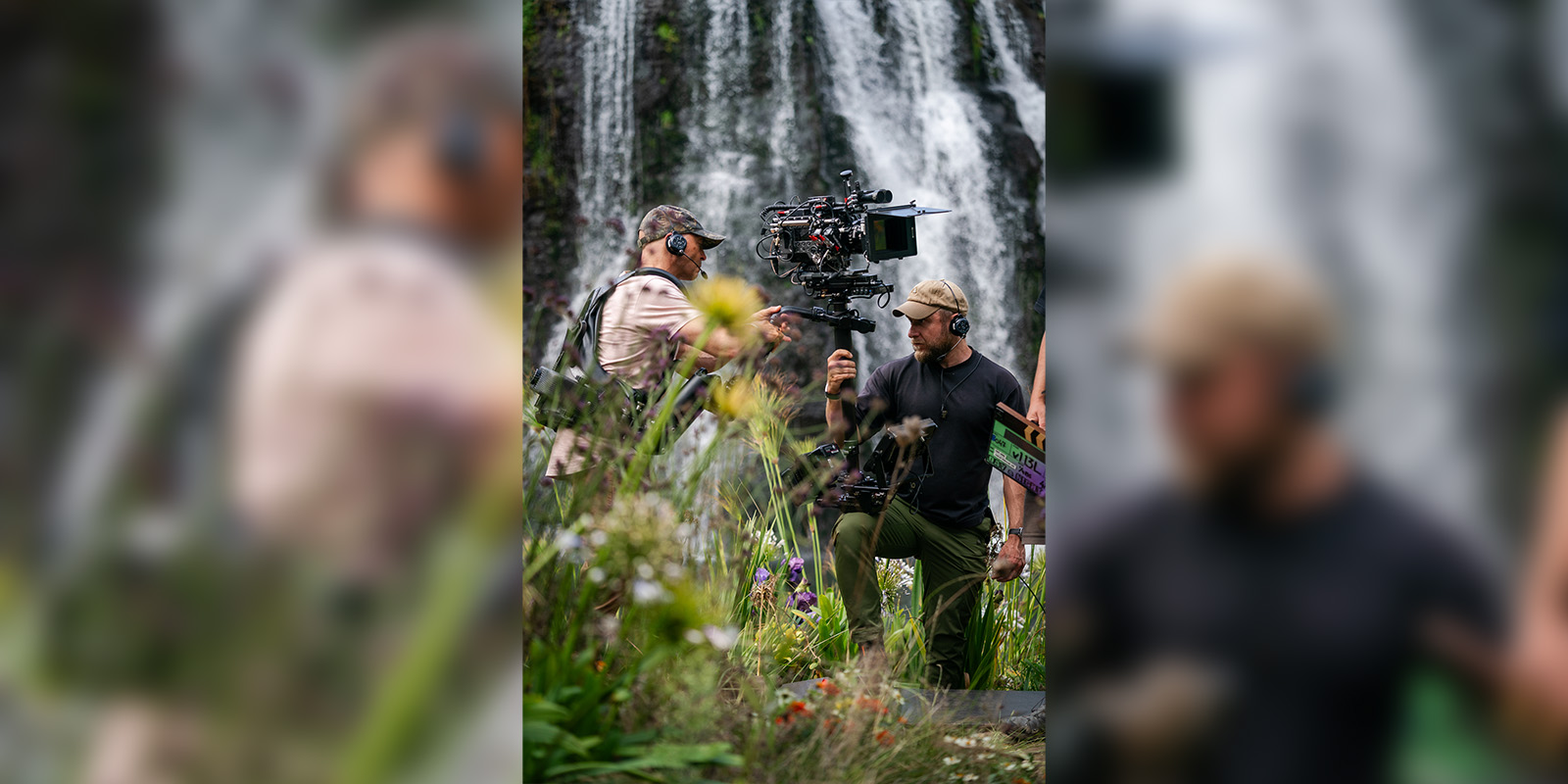
That partnership around the camera is vital, and communication is everything. Before a shoot, I always sit down with the operator to dig into what the cinematographer is aiming for: What is the visual style? What kind of frames are we prioritising? Are we centre-punching the actors, or how tight and dirty do they want the over-the-shoulders? Understanding those details isn’t just the operator’s job – it’s a dolly grip’s job too. In fact, I’ve always believed a great dolly grip should be able to step in and operate.
I’ve been fortunate to work alongside some of the most collaborative operators in the world. When you have those conversations early, the fluency of the shoot locks into a rhythm with everyone on the same page.
Meaning over mechanics
Long before the camera ever rolls on set, the real work of the grip department happens in pre-production. For me personally, long before I’m officially onboarded, there are talks with the key grip about the visual tone and that style dictates what equipment is being talked about. Because I’ve generally worked with the key grips or operators before, they tend to know my preferred equipment, so they make suggestions based on that.
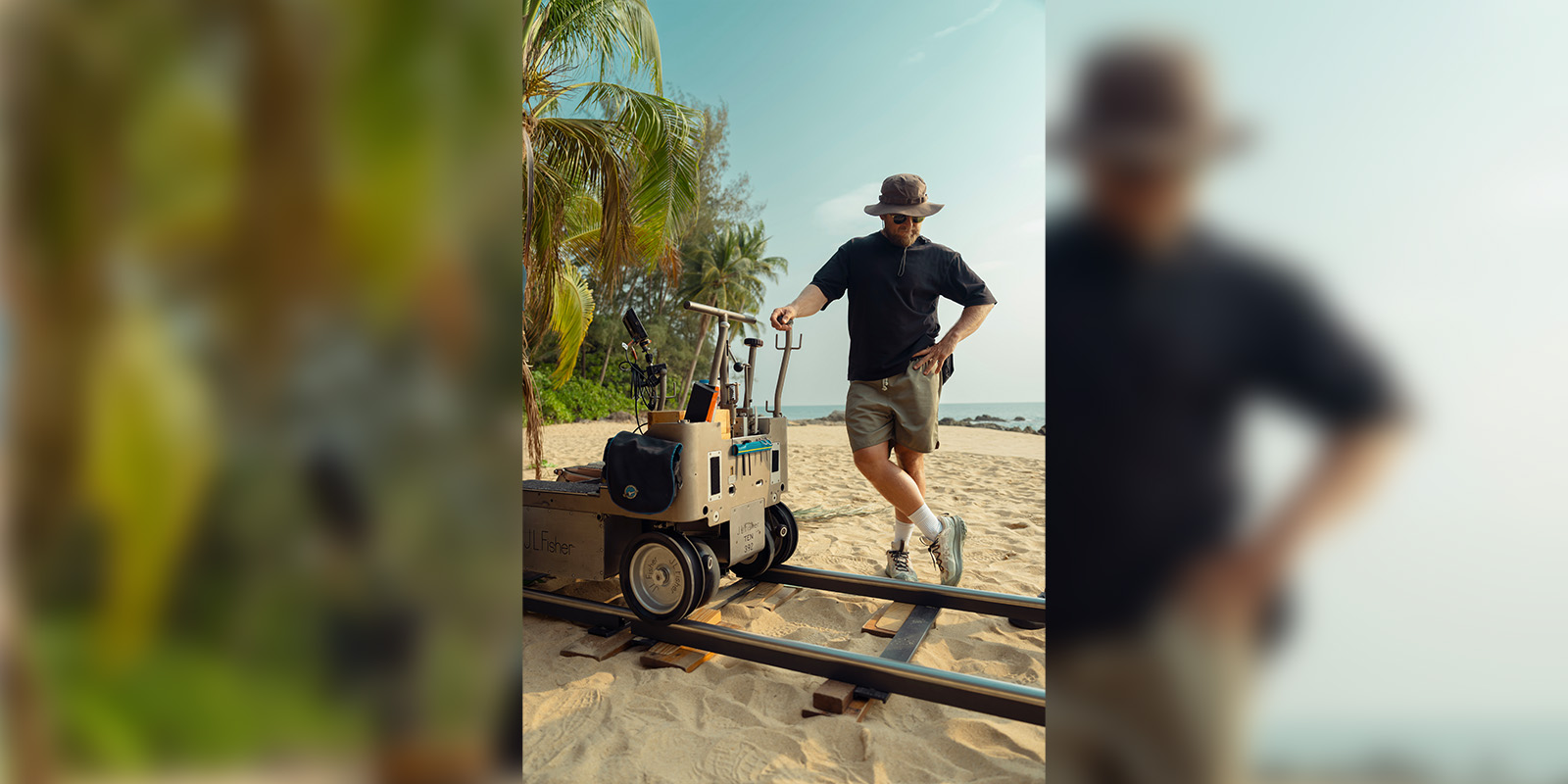
On emotional, dialogue-driven sets, I will almost always choose a dolly and dance floor. Why? Because it puts you right there, upfront, shoulder-to-shoulder with the operator and the actors, letting you read the micro-cues of when to move and when to hold. When you’re that close, you can see the micro-shift of emotion across an actor’s face or catch the subtle shift of their hips right before they stand to walk. Those tiny, invisible tells help you anticipate the action, pre-empt the movement, and lock directly into the emotional current of the scene.
Restraint, musicality and rhythm
Ultimately the most important choices we make are those that serve what is best for the film. Sometimes stillness forces full focus. You have to push away the ego that says you always need to be moving; sometimes the biggest impact is not to move at all and just let the actors play out in a beautifully composed shot.
Stillness is a deliberate movement choice, and you must remember that sometimes the story requires the camera to stay completely static. When we do move, the tempo must mirror the emotion. It’s just like playing in a band – if the drum tempo is off it doesn’t sound right. It’s the exact same with camera movement. If the movement isn’t matching the feeling of a scene, it just doesn’t feel right.
I often think about certain songs I like for different scenes, using their cadence to help find the right emotional pocket for the move. When you lock that tempo in with the operator and actors, you feel it instantly. If it doesn’t match the heartbeat of the scene, it becomes apparent very quickly. The ultimate job isn’t about moving equipment: it’s about making sure every physical action breathes life directly into the story.
Conclusion: the dance
So, what is a dolly grip? We are masters of camera movement and emotional interpretation, we sit quietly right next to the operator to help and advise. There is a profound humility in the craft. The perfection of the work is defined entirely by its invisibility on screen. If the audience feels the mechanics of the stop, or the hesitation in the start, the illusion shatters. The dolly grip must absorb all the friction of the real world so the camera can dance in the immersive space of the story. And this is why I love this craft – because if we all do our jobs right, nobody notices, but the audience feels every single beat.
This piece is part of a featured series written by guest columnist, James Starr. Part two and three of the series are to follow!